Patternline: A Dingbats Font for Quirky, Creative Projects
When you're building a brand, designing an invitation, or crafting a piece of social media content, the right typeface does more than just display words. It sets a mood, tells a story, and creates an immediate emotional connection. For designers, entrepreneurs, and hobbyists seeking to inject a specific kind of playful, handcrafted energy into their work, the search for a truly unique creative font can be a challenge. This is where Patternline steps in, offering a distinct and versatile solution that goes beyond standard letterforms.
Understanding the Patternline Typeface
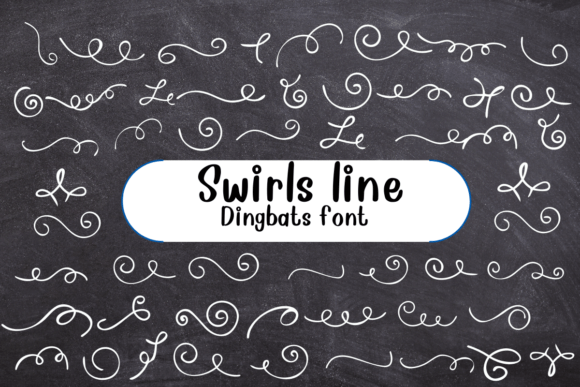
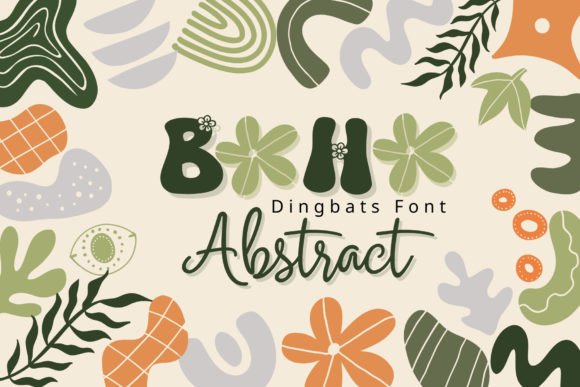
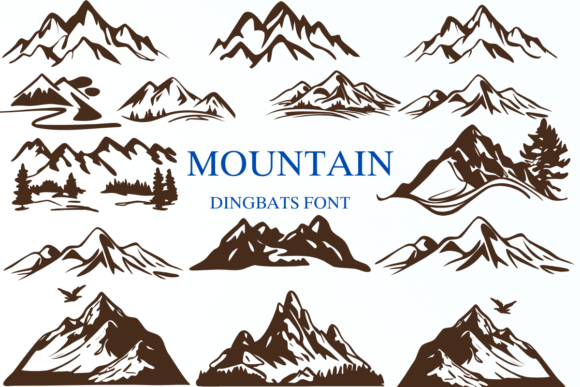
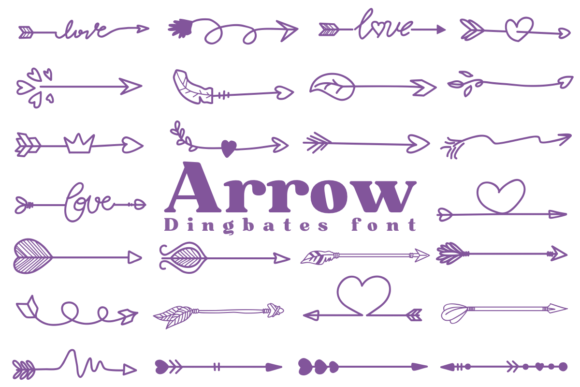
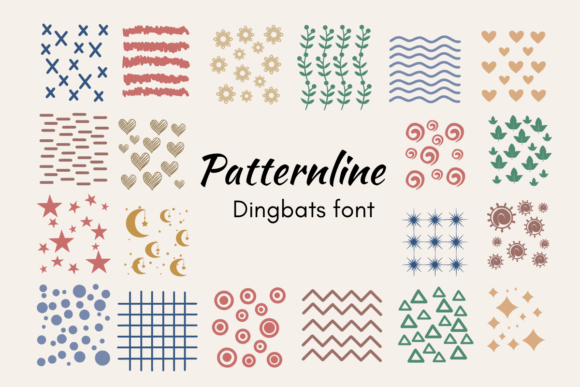
At its core, Patternline is a dingbats font. For those unfamiliar, a dingbats font is a typeface where each key on your keyboard corresponds not to a letter or number, but to a unique graphic, symbol, or illustration. What sets Patternline apart is its cohesive quirky theme. The collection of symbols isn't random; it's a curated set of lines, shapes, textures, and motifs that share a consistent visual language—think whimsical doodles, geometric patterns, playful borders, and charming illustrative elements.
The overall personality of Patternline is one of approachable creativity. It avoids looking overly polished or corporate, instead embracing a slightly imperfect, hand-drawn aesthetic. This gives it an authentic, artisanal quality that resonates in today's market, where audiences crave genuine connection over sterile perfection. Its visual style can be described as modern folk, eclectic craft, or playful graphic. The appeal lies in its ability to add a layer of detailed, textured visual interest with a single keystroke, making it an invaluable design asset for a wide range of applications.
Where Patternline Shines: Real-World Applications
The true test of any premium font is its utility. Patternline’s strength is its versatility across different creative mediums, allowing you to maintain a consistent brand identity or project aesthetic from digital to print.
Crafting and Personal Projects
This is where Patternline feels most at home. Its quirky theme makes it a natural fit for wedding invitations, baby shower announcements, and party decorations. Imagine using its symbols to create intricate, custom borders on place cards, or to design a unique monogram for a thank-you note. For DIY enthusiasts and crafters, it’s a powerhouse. You can use it to generate patterns for embroidery, create custom stickers, design unique scrapbook elements, or even etch onto glassware. The possibilities for personalized gifts and home decorations are nearly endless.
Branding and Logo Design
For small businesses, especially those in the artisan, boutique, or lifestyle sectors, a logo design needs to be memorable and convey personality. Patternline can be a secret weapon here. While it might not be suitable for the main business name in all cases (readability is key), its symbols are perfect for creating a supporting graphic mark, a favicon, or a pattern to use on packaging. A local bakery, a handmade soap company, or a children's boutique could use a Patternline symbol as a core part of their visual identity, ensuring their brand feels unique and crafted with care. It helps build a brand identity that stands out from the minimalist, sans-serif crowd.
Digital and Editorial Design
In the fast-paced world of web design and social media graphics, grabbing attention is paramount. Patternline’s symbols can be used to create eye-catching pull quotes, section dividers, or animated icons for a website. On platforms like Instagram or Pinterest, they are perfect for designing unique story highlights, creating consistent post templates, or adding decorative elements to a photo collage. For bloggers and content creators, using Patternline can give your visuals a signature look that your audience will instantly recognize, boosting engagement and brand recall. In editorial design, such as for a magazine or zine, these dingbats can add visual flair to layouts, break up long blocks of text, and contribute to a publication's unique aesthetic.
Packaging and Product Design
Product packaging design is a critical touchpoint. The unboxing experience can turn a customer into a loyal advocate. Patternline offers a way to add delightful, unexpected details. Think of a pattern of its quirky symbols printed on the inside of a shipping box, a custom-designed gift tag, or a series of icons on a label that illustrate a product's ingredients or benefits. This level of detail shows a commitment to quality and creativity that customers appreciate.
Practical Guidance for Using Patternline
Integrating a dingbats font like Patternline into your workflow requires a slightly different approach than choosing a standard serif font or sans serif font. Here’s how to get the most out of it.
Evaluating Project Fit and Font Pairings
First, consider your project's tone. Patternline’s quirky theme is ideal for projects that aim for a friendly, creative, or whimsical feel. It may be less suitable for ultra-corporate or formal contexts. The key is alignment. Once you’ve decided it’s a good fit, think about font pairing. Because Patternline is a display font with high visual personality, it pairs best with simple, clean typefaces. A straightforward sans serif font like Lato or Montserrat, or a classic serif font like Garamond or Merriweather, will provide a stable, readable foundation that lets Patternline’s unique characters shine without creating visual chaos. Avoid pairing it with another highly decorative script font or handwritten font, as they will compete for attention.
Readability and Visual Hierarchy
Remember, Patternline is not meant for setting body text. Its purpose is as a graphic element. Use it to create visual hierarchy and draw the eye. A large Patternline symbol can act as a hero image, while smaller, repeated symbols can create a subtle texture or a decorative border. When used thoughtfully, it enhances readability by breaking up content and providing visual resting points. Test how the symbols look at different sizes and on various backgrounds to ensure they remain clear and impactful.
Reviewing Styles and Licensing
When you acquire Patternline as a commercial font, take the time to explore the full character map. Often, a premium font like this will include stylistic alternates, ligatures, or multiple stylistic sets that provide even more variety. Understanding what’s included allows you to use the font to its full potential. Furthermore, always be clear on the licensing terms. Ensure the license covers your intended use, whether for a personal blog, client projects, or commercial products sold online. Proper licensing is a non-negotiable part of professional practice.
In a digital landscape saturated with the same few dozen popular typefaces, Patternline offers a breath of fresh air. It’s more than just a collection of symbols; it’s a toolkit for building a more textured, personal, and engaging visual world. For the designer, the crafter, the entrepreneur, and the creator, it provides a simple way to make a project truly one-of-a-kind.